The Difference Between an Open Call and a Targeted Search
An open casting call invites submissions from a broad pool, often including people without agents or previous professional credits. A targeted search approaches a...
Audition Tips
Browse acting advice, audition tips, training articles, industry guidance, actor lifestyle stories and film reviews.
An open casting call invites submissions from a broad pool, often including people without agents or previous professional credits. A targeted search approaches a...
Audition Tips

Before the first audition begins, a casting assistant may already have spent days making the session possible. The work can include checking submissions, confirming...
Audition Tips
Casting briefs can change after the search has begun. A character's age may shift because another role has been cast, the filming location may move or a rewritten scene...
Audition Tips

Large casting searches generate a remarkable amount of information. A team may need to track names, agents, locations, playing ages, availability, tape status and which...
Audition Tips

Actors finish shooting, but the film's rhythm is still being discovered. Editors adjust scene order, shorten transitions and decide how long an audience should remain...
Industry & Career
Raw footage can be a difficult teacher. Without music, sound design or editing, an actor may notice awkward pauses, repeated gestures and moments that felt powerful on...
Industry & Career
The performance an audience sees may be assembled from several takes. An editor can use the beginning of one, a reaction from another and the final line from a third,...
Industry & Career
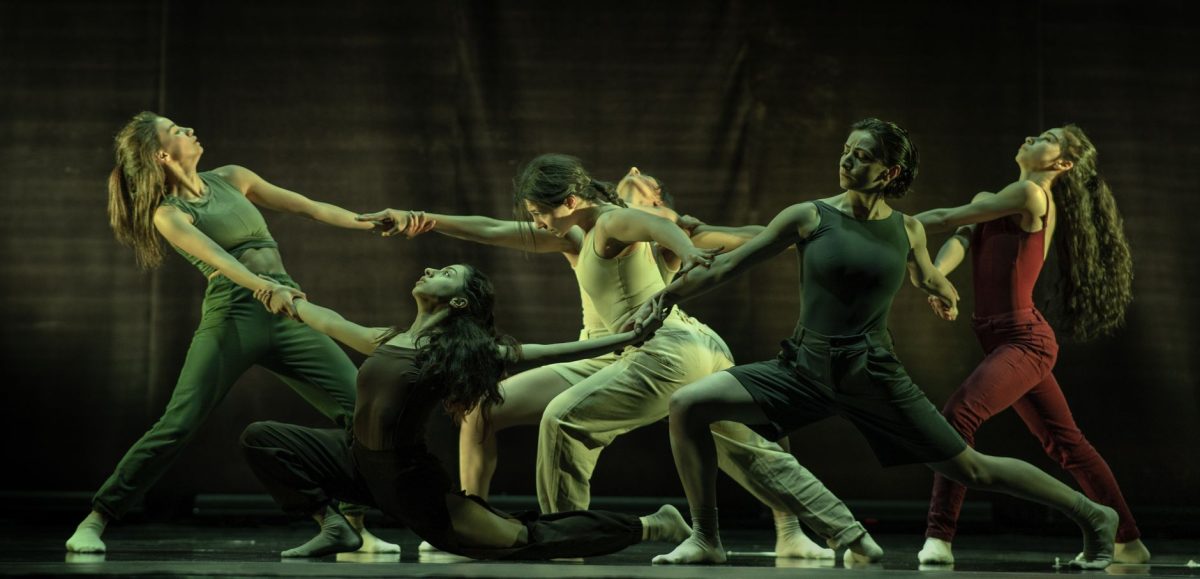
Silence in a film is rarely the absence of decisions. An editor may remove music, hold a reaction longer than expected or allow a room's faint ambience to become...
Industry & Career

Deleted scenes are not necessarily failures. A scene can be well acted, beautifully photographed and still disrupt the balance of the finished film. It may explain...
Industry & Career

Imagine a conversation in which one character asks a difficult question and the other hesitates. Hold on the questioner's face during the pause and the moment may feel...
Industry & Career
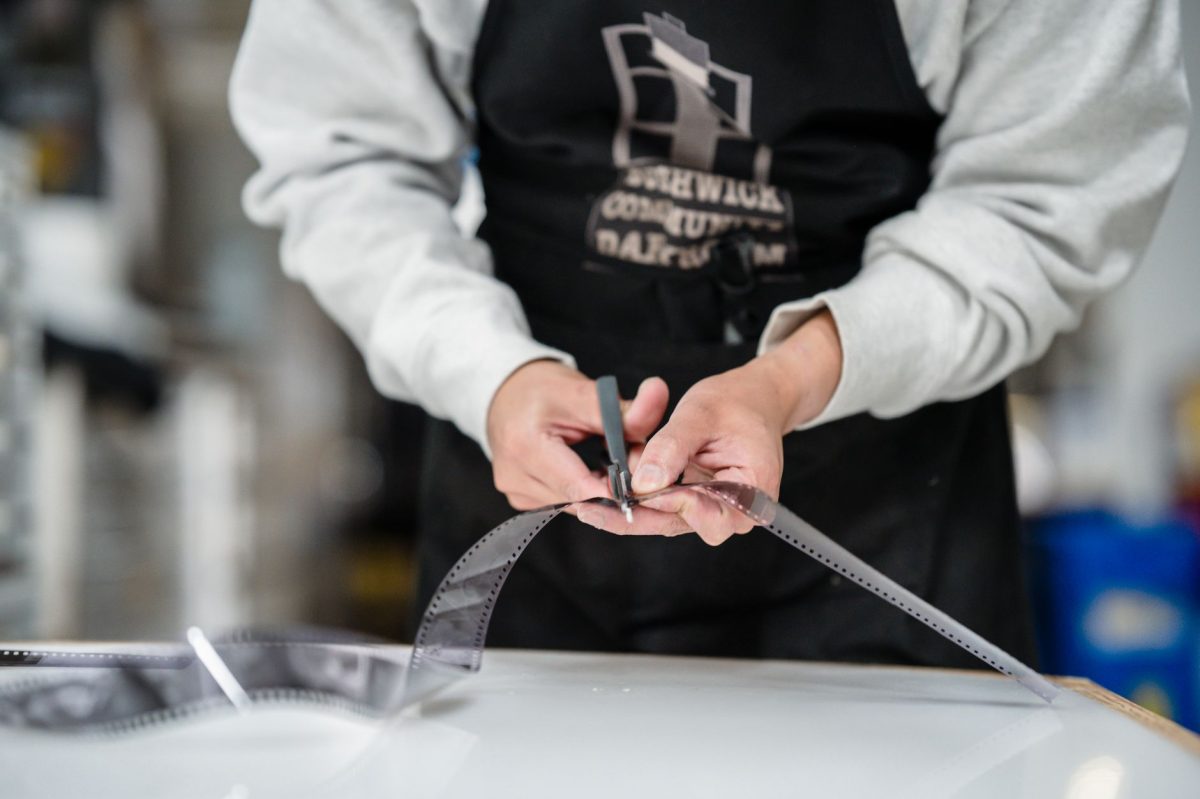
A scripted scene might begin with greetings, a character entering the room and several lines establishing why everyone is there. In the edit, those opening moments may...
Industry & Career

An actor can deliver a line beautifully and still find that it has vanished from the finished film. Editing is concerned with the scene's purpose, not preserving every...
Industry & Career

A film editor rarely receives one perfect, uninterrupted performance. They receive takes with different strengths: a compelling opening, a more revealing pause and...
Industry & Career

A reaction shot can appear to capture a spontaneous response to another actor's line, even when it was filmed hours or days later. Scheduling, location access and the...
Industry & Career

A visitor steps into a museum gallery and meets someone dressed as a Victorian shopkeeper. Instead of reading a label, the visitor can ask what an ordinary working day...
Actor Life

A performer walks into an almost empty room wearing a fitted suit covered with tracking markers. There is no castle, no spaceship and perhaps no finished character...
Industry & Career
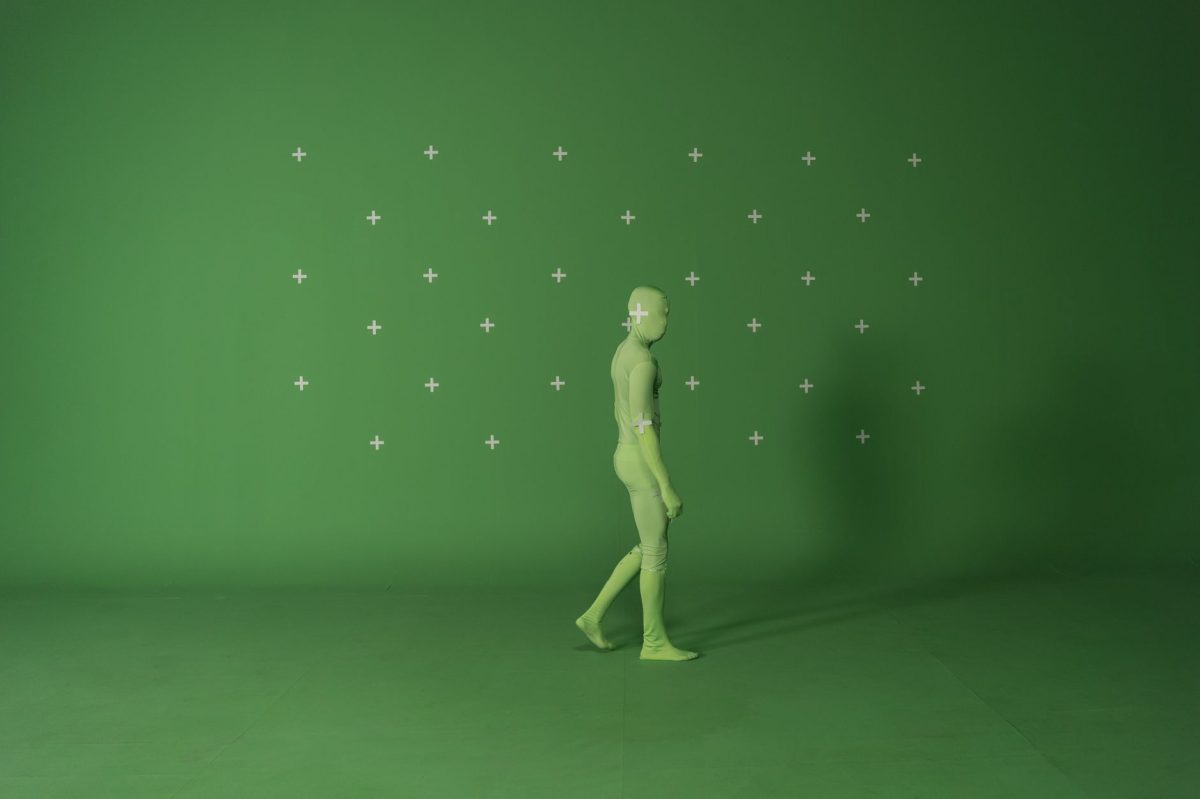
A city skyline in an old film can look impossibly large for the studio in which it was shot. Before digital environments became commonplace, scenic artists created whole...
Film Review
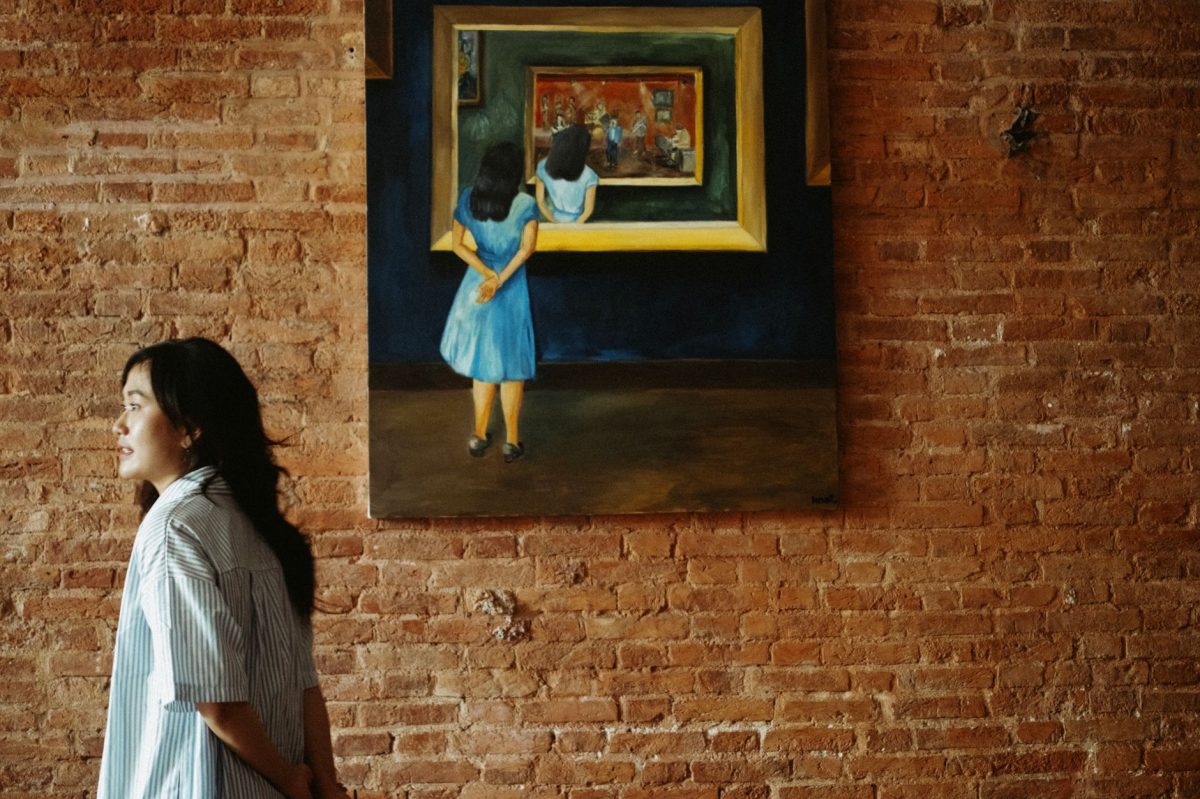
A filmmaker can spend a year finishing a short film and then send it to a festival alongside thousands of others. The decision that follows may feel mysterious,...
Industry & Career
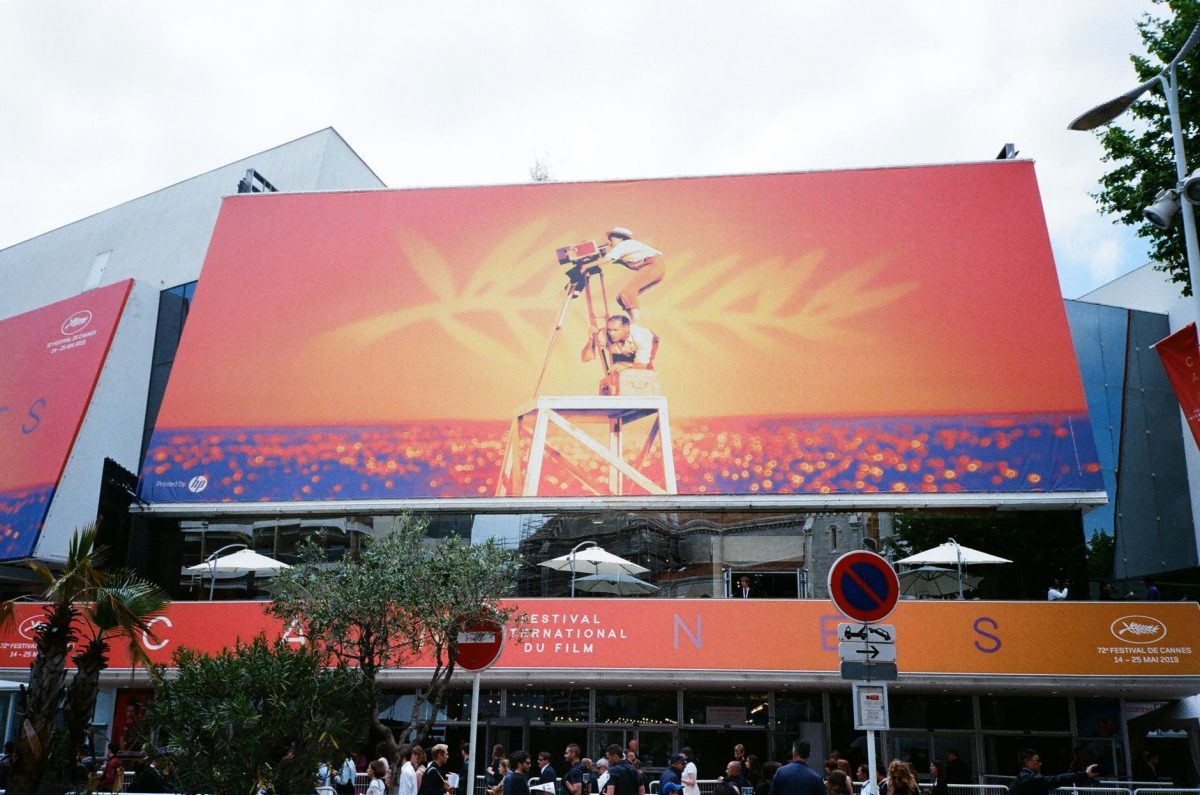
A film can have a script, a director, a cast and a start date on everyone's calendar without having all its money in the bank. When financing arrives later than...
Industry & Career

A haircut can change a character in seconds. On a film production, it can also create a problem that lasts for months. A scene in which someone leaves a barber's chair...
Actor Life

A courtroom transcript can look like an actor's dream: real words spoken by real people at a moment of extraordinary pressure. It can also be a trap. A line lifted from...
Industry & Career

A theatre actor may spend weeks discovering a character's journey from the opening scene to the final curtain. On a film set, the first scene scheduled might be the last...
Training
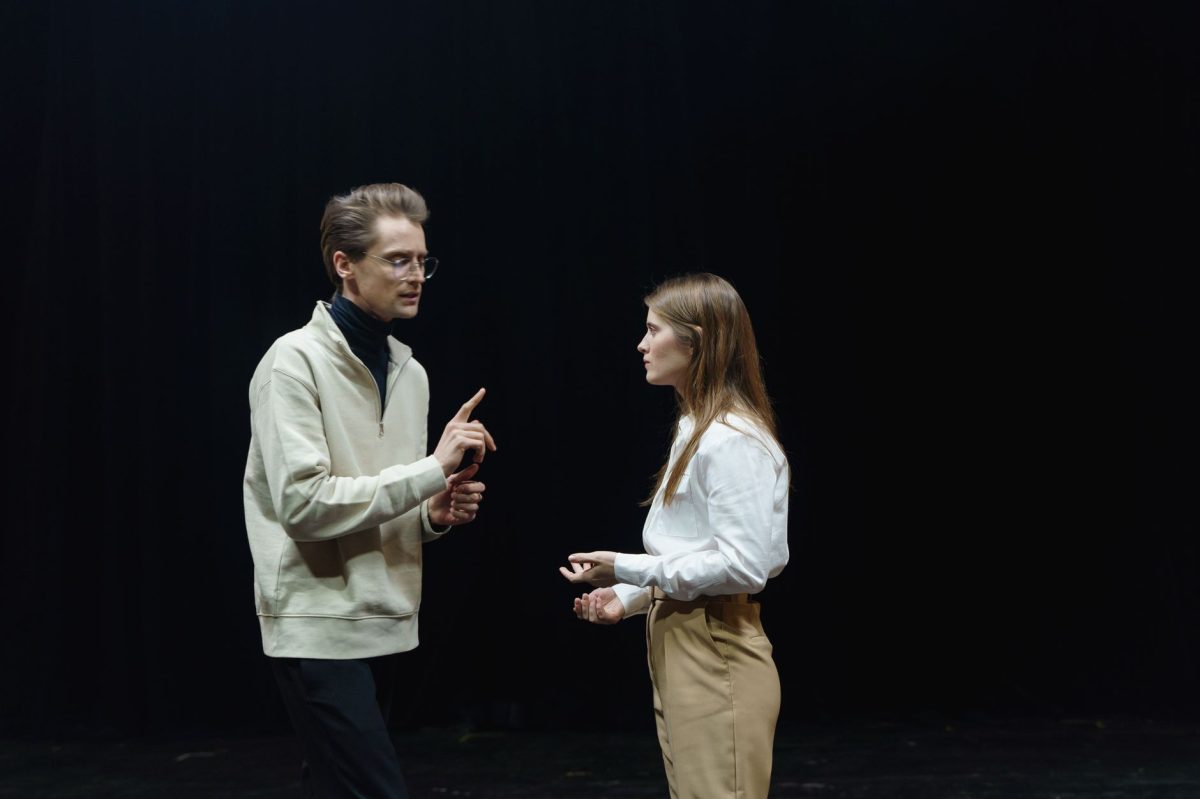
A recording booth looks like an actor's ideal workplace: no weather, no complicated blocking and nobody asking for another lighting reset. Yet performers who step inside...
Training

A convincing screen punch can be over in less than a second. Preparing it may take considerably longer. Before the camera rolls, the performers and stunt team have to...
Training
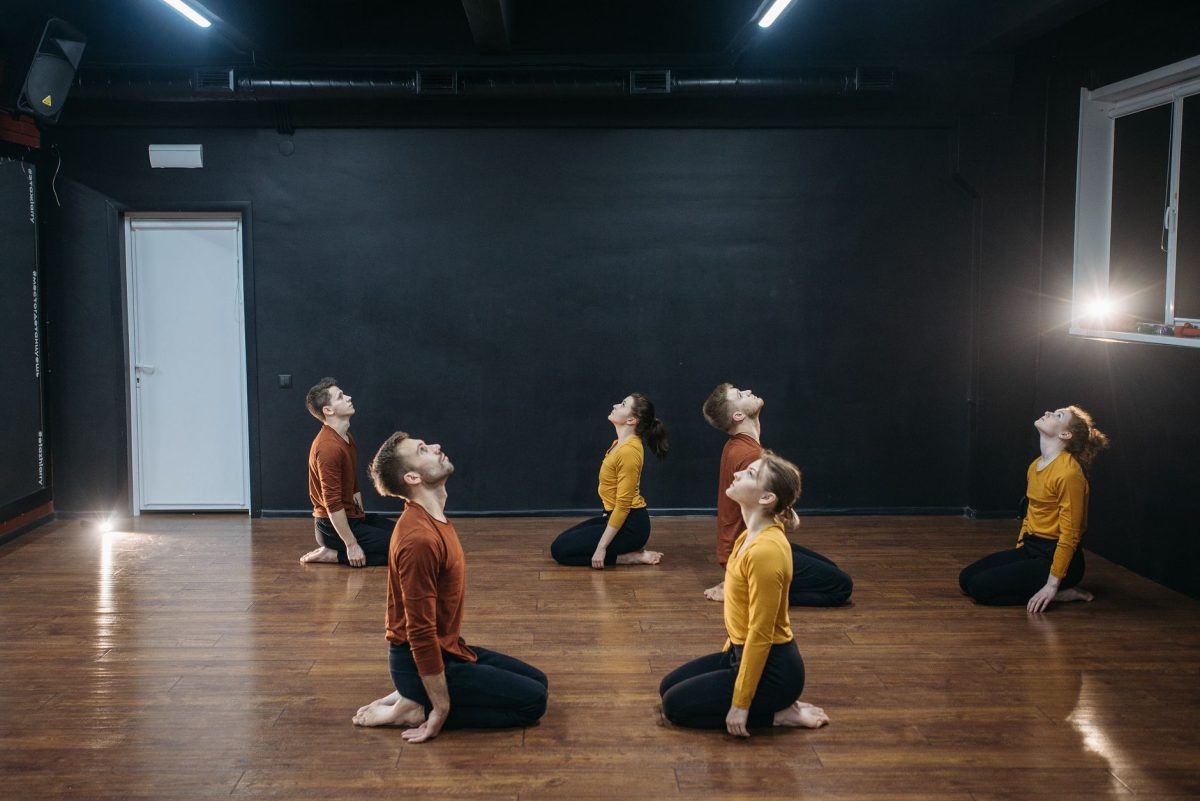
A director may choose to pull the camera away at the moment a character receives devastating news. A close-up encourages scrutiny of expression; a retreating camera may...
Training
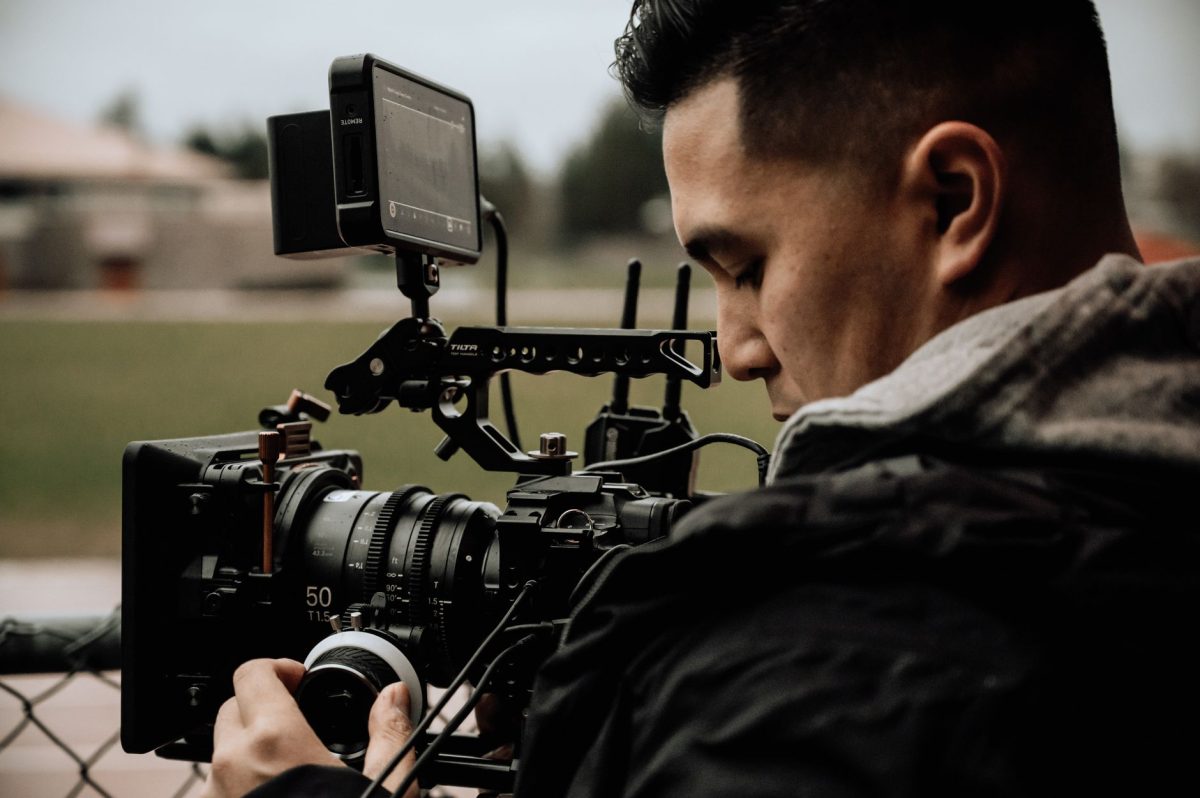
When a scene plays in one extended shot, actors cannot rely on an edit to combine their strongest moments from different takes. A long take may involve precise handoffs...
Training
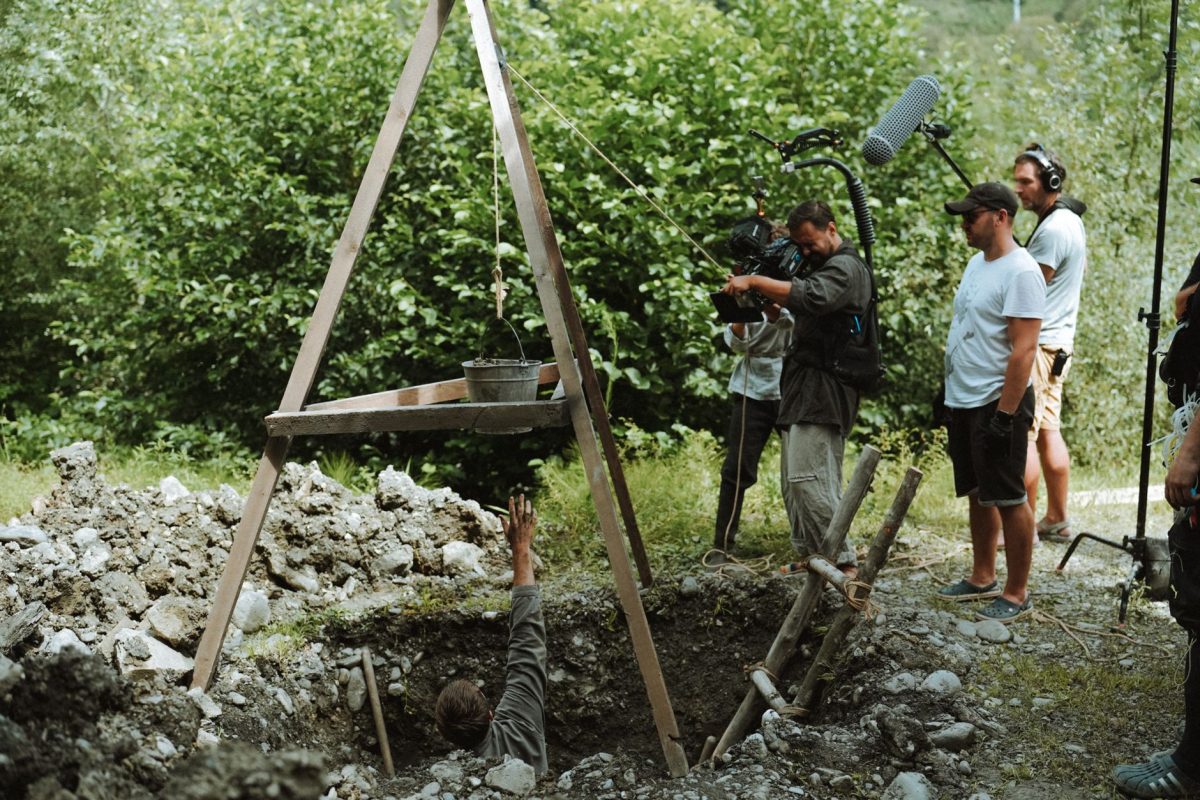
A production may shoot scenes out of story order, record an action in reverse for a visual effect or ask performers to recreate movement that will be reversed in the...
Training
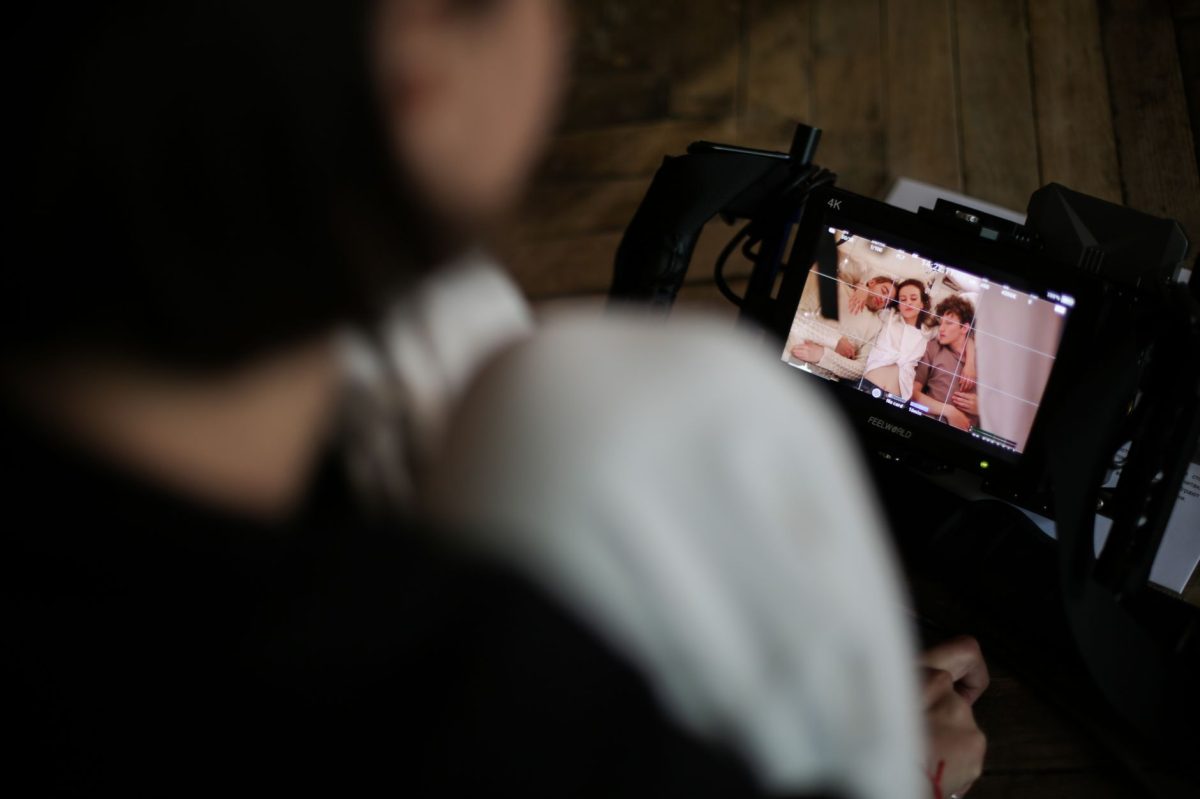
A focus puller, often the first assistant camera, adjusts focus as actors and camera move. Camera teams measure distances, rehearse movement and establish focus marks...
Training
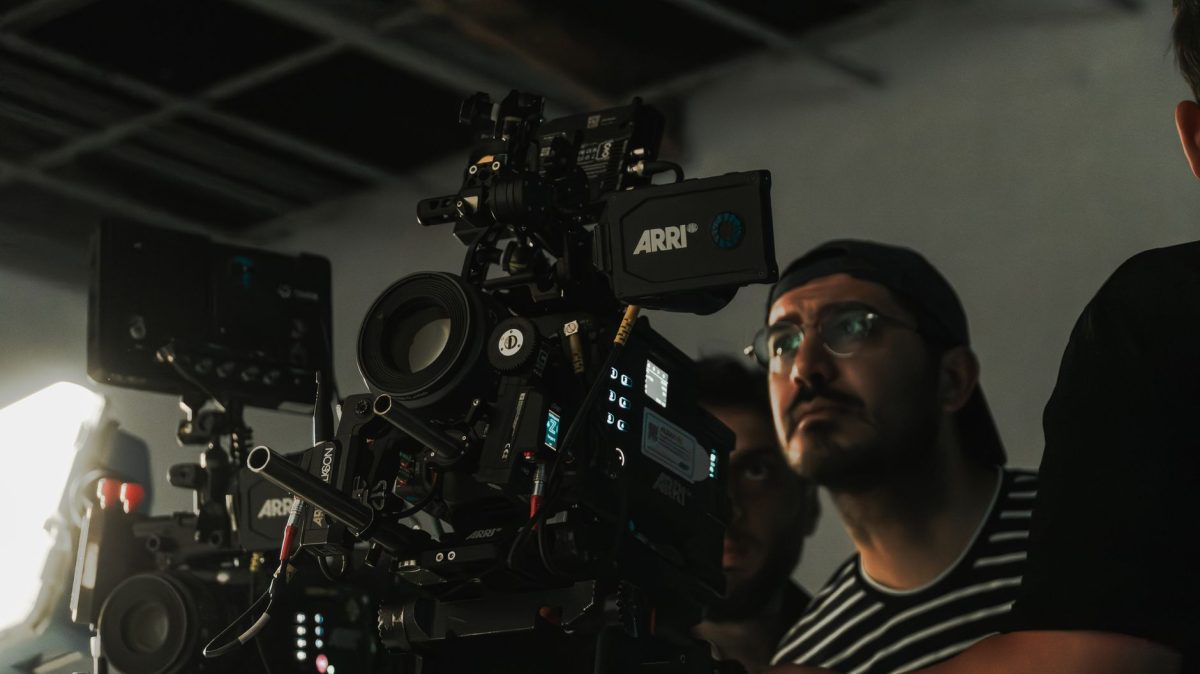
In a wide shot, the audience reads the actor in relation to the room, other characters and the action around them. A character who crosses a room before answering a...
Training

A close-up can make a tiny change in an actor’s attention feel enormous. Small shifts in eyeline, head position and the timing of a reaction can matter when shots are...
Training

A key placed on a table, a coat brushed against a wall or a hand gripping a railing can become an important sound in a film. Foley artists work with shoes, fabric, props...
Industry & Career

A garment chosen for its shape or texture may interfere with a concealed microphone. Sound technicians and costume staff can test the outfit during movement and decide...
Industry & Career

A kitchen offers attractive visual detail and an endless supply of audio problems. The sound and props teams may agree which appliances can be switched off safely during...
Industry & Career

A crowded street or industrial building may be visually perfect for a scene but hostile to dialogue recording. Sound teams may record multiple microphone sources, wild...
Industry & Career

The footsteps heard in a finished film may not be the sounds recorded during the scene. A hesitant step, sudden stop or hurried retreat has a particular rhythm.
Industry & Career

Whispering is dramatically intimate but can be technically challenging, especially on a noisy location. The sound mixer may adjust microphone position or ask the...
Industry & Career

Location sound is vulnerable to noise the camera never shows. Sound teams assess likely noise sources and record room tone or other useful material for post-production.
Industry & Career

Automated dialogue replacement, usually called ADR, involves recording dialogue in a studio while watching the filmed scene. A clean recording can sound wrong if its...
Industry & Career
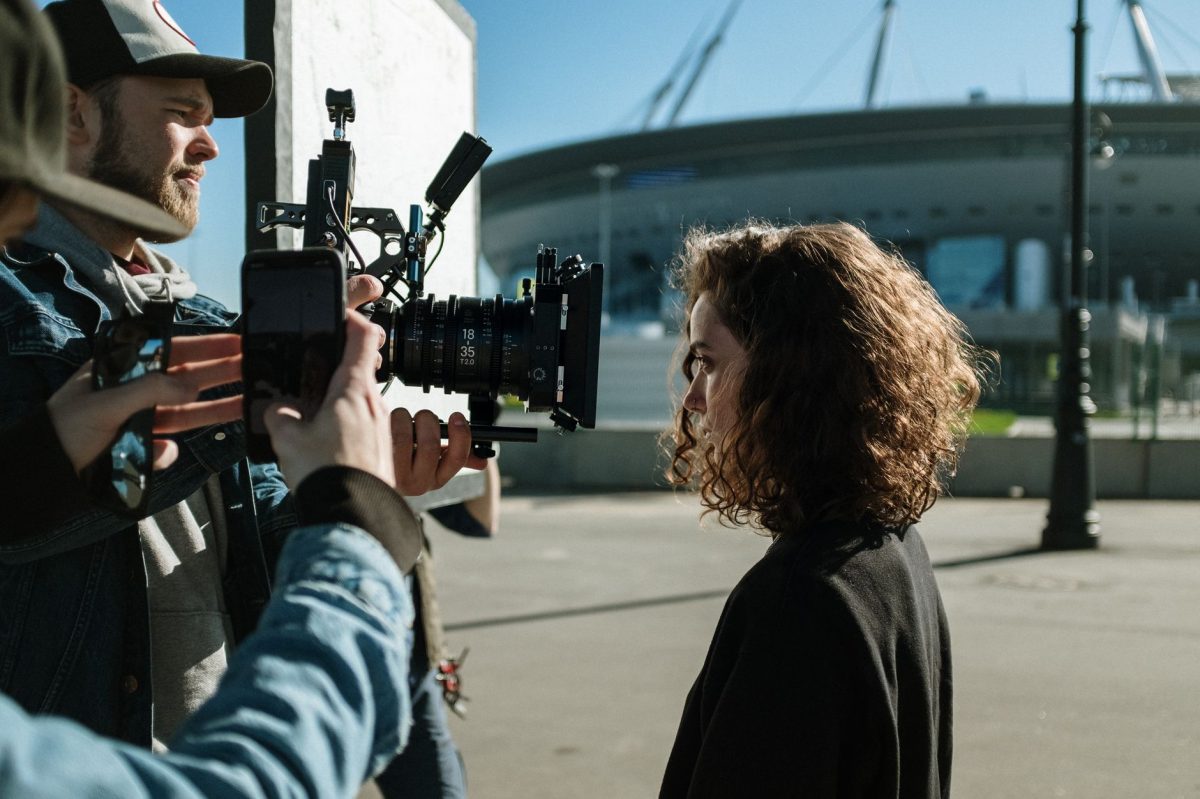
A costume can look flawless and still ruin a take by brushing against a hidden microphone. Sound and costume teams work together to position microphones, secure cables...
Industry & Career
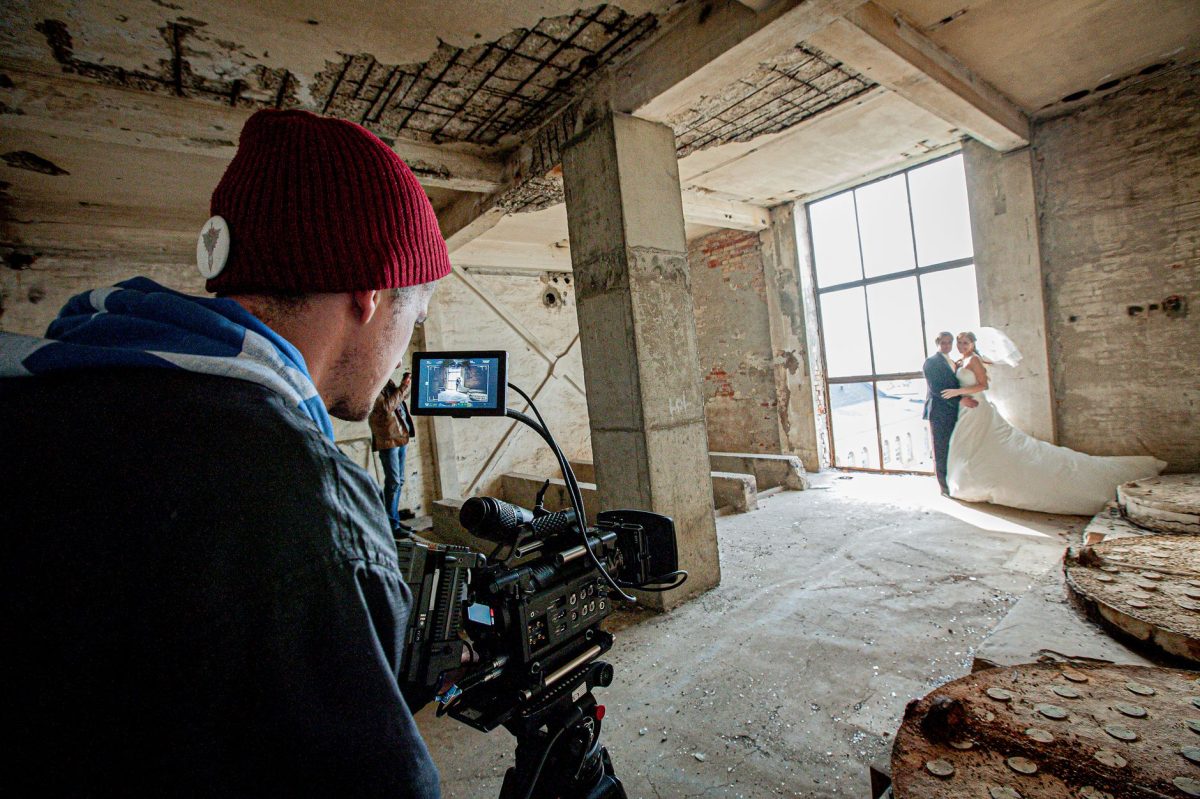
Footwear can communicate occupation, resources and personal priorities before a line is spoken. Shoes affect stride, confidence and the sound of a character entering a...
Actor Life

Corsets, structured jackets, heavy skirts and unfamiliar footwear can alter how an actor sits, walks and reaches for objects. Costume fittings and movement rehearsals...
Actor Life
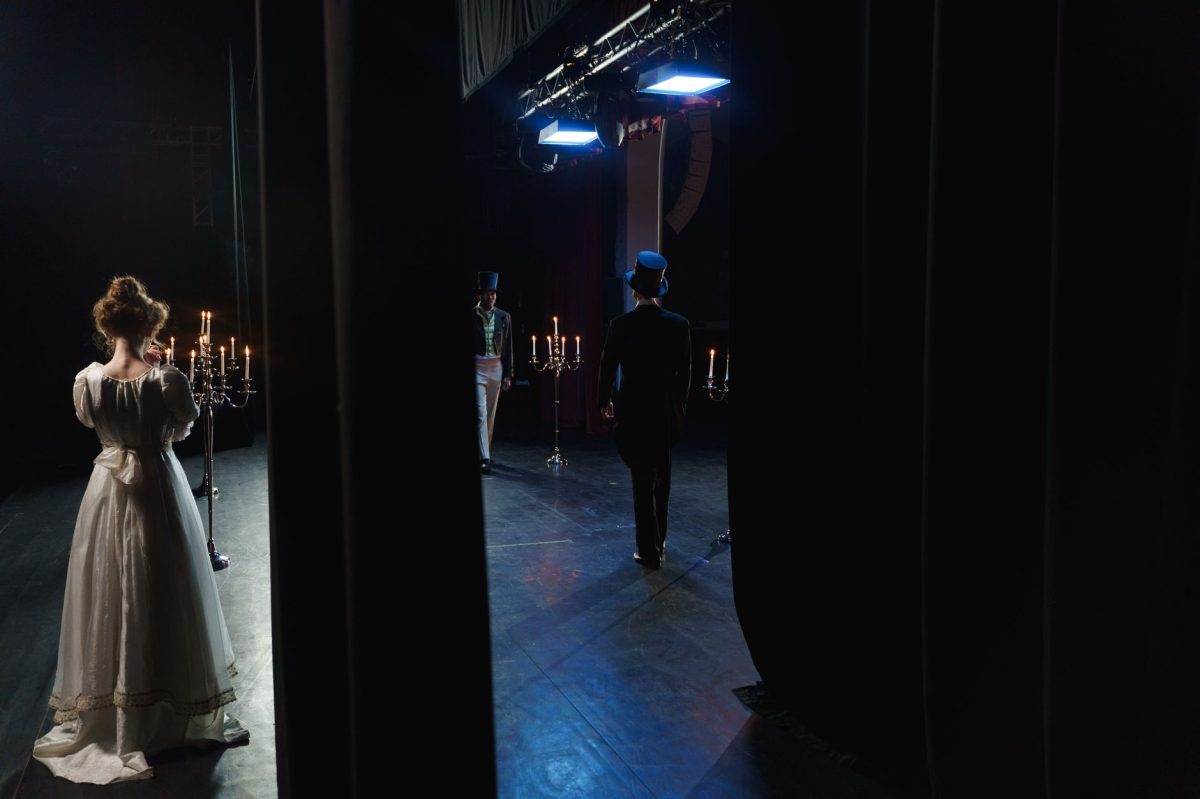
Jewellery draws attention because it is often close to an actor’s face and hands. Costume and script continuity teams may photograph the exact placement of jewellery and...
Actor Life

A story may keep a character in the same clothes for a single night, yet production could film those scenes over several weeks. Costume departments may prepare several...
Actor Life

A garment straight from a wardrobe rail may look too crisp for a character who has supposedly worn it for years. A worker’s cuffs might wear differently from those of an...
Actor Life

Clothing often communicates history before a character speaks. Costume teams may build up distressing gradually and maintain several versions for different points in the...
Actor Life
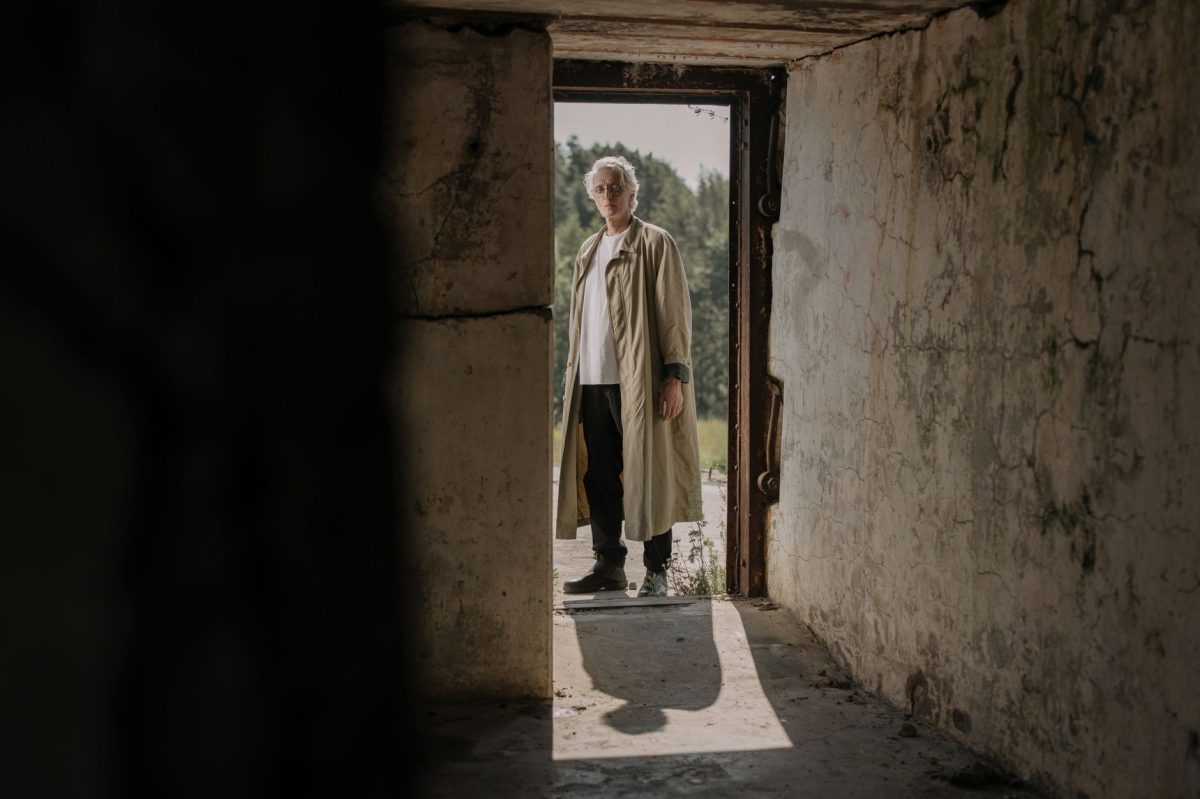
A costume can be beautifully designed yet fail when placed in the actual scene. The costume designer may work with the director, cinematographer and production designer...
Actor Life
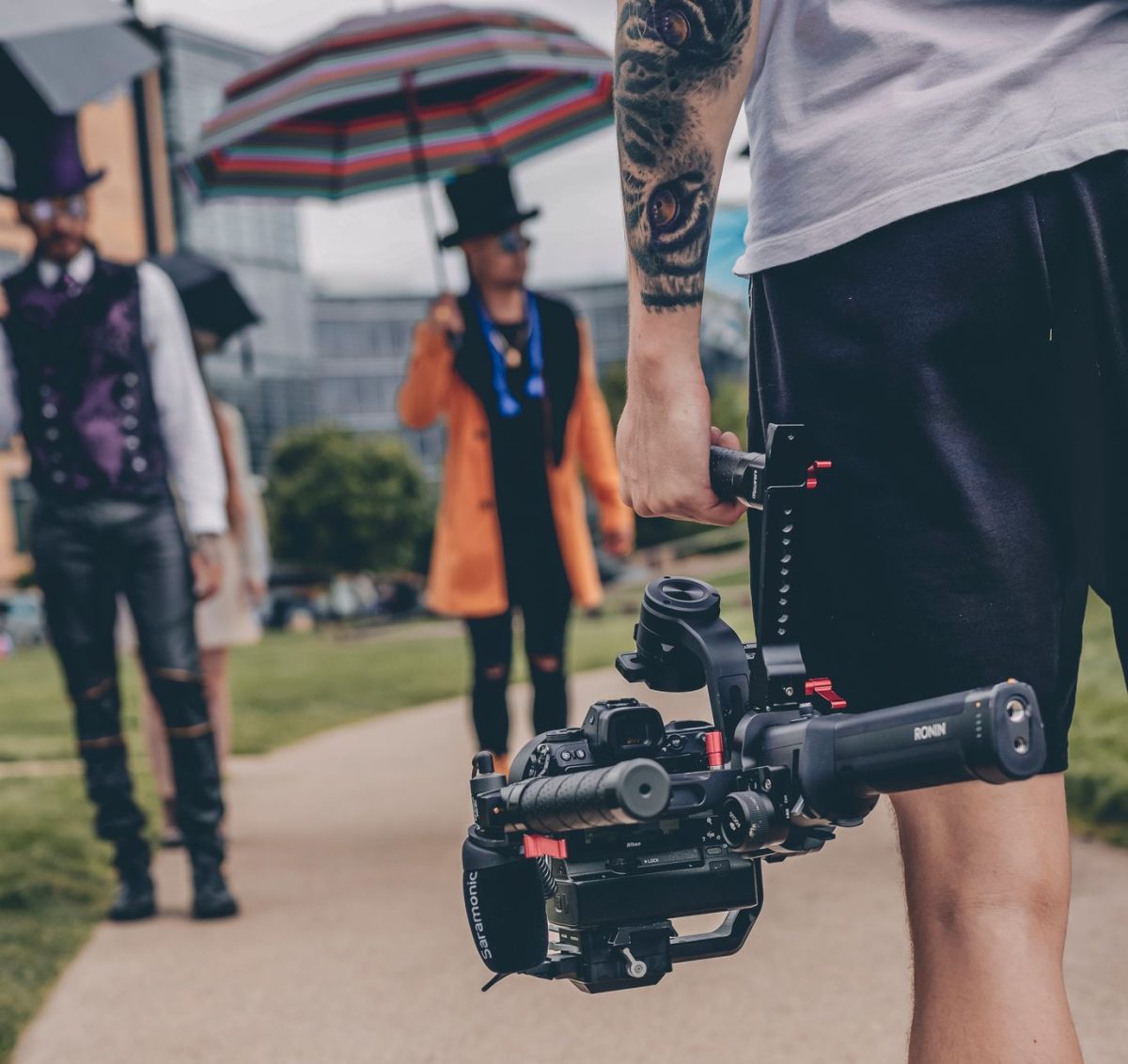
When filming ends, costumes may be checked for damage, cleaned, repaired and prepared for the next shooting day. Wardrobe teams record stains, creases, missing buttons...
Actor Life

An actor may wear a costume that conceals their shoes, yet those shoes still influence posture, balance and movement. A production can need hero footwear for close-ups,...
Actor Life

Wind, rain, smoke, moving scenery and breakaway objects can give performers something real to react to. Before an effect, ask what will happen, when it will start and...
Industry & Career

A train carriage, ship cabin or lift may be built on a controlled moving platform rather than filmed in motion. Special-effects technicians and camera crews coordinate...
Industry & Career